What We Saw in Profound
Where marketing happens in the age of AI
Aditya Agarwal · September 15, 2026
People ask what we saw in Profound before Profound existed. It is a fair question. The company is now worth a billion dollars, one third of the Fortune 100 runs on it, and every fund in the valley has a story about why they were early. Ours is different in one specific way: we did not find the company. We watched it form.
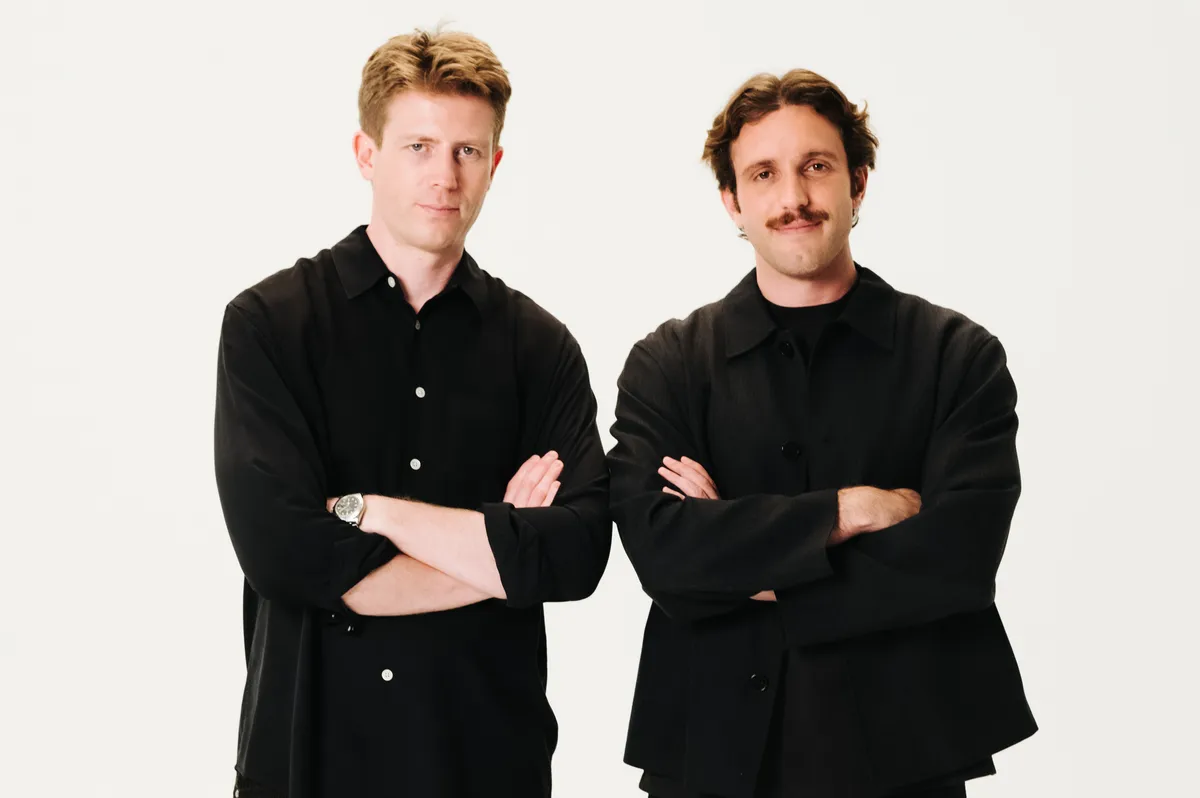
James Cadwallader and Dylan Babbs met at South Park Commons. They came from opposite worlds. Dylan was a design engineer on Uber's maps team, the kind of builder who ships beautiful things on a whim. James never went to college and had spent a decade willing businesses into existence, from commodities arbitrage to a media company with over a million users. Neither arrived with the idea that became Profound. They came in as members, exploring, and found each other the way founders at their best find each other: working side by side until the partnership became obvious. We backed them at that moment, before the idea, because the two of them together were the asset. The first thing they tried did not survive explorations with customers, but it didn't need to. The partnership was the investment, and the next thing they tried was the company.
It started as an observation. Hundreds of millions of people are replacing search with asking. When a model answers, there are no ten blue links and no ad slots. There is one answer, and either your brand is in it or you do not exist. Twenty-five years of marketing playbooks assume a click-through world that is dissolving, and when Profound started, no brand on earth could see inside the box that replaced it. James and Dylan decided to build the instrument that sees.
The market answered quickly. Khosla led the seed, Kleiner Perkins led the A, Sequoia led the B, and Lightspeed led the C at a billion-dollar valuation, roughly two years after the first line of code. We invested in every round. Fortune 10 logos signed before the category had a name, and then Profound named the category.
Then came the next question from brands, "What should I do about it?"
Since their last round seven months ago, Profound launched their AI Marketer, a marketing expert that knows your brand and business, proactively surfaces the opportunities worth acting on, puts agents to work, and learns from each interaction to help brands get chosen by Answer Engines. It's powered by their Context Manager, a live synthesis of both your brand context and personal context fed from your knowledge base, synced data, and interactions with the platform.
Today, Profound has evolved to be the fastest-growing AI marketing platform used by companies including Comcast, U.S. Bank, and Walmart, and innovators like Ramp, MongoDB, and Figma. It is the workbench where marketers research, write, report, and collaborate with their AI Marketer to do the work.
So, what did we see? Not the future of marketing in the AI era. Nobody saw that clearly in 2024, and anyone who claims otherwise is retrofitting. What we observed was two specific people before there was anything else to evaluate: their speed, their honesty about what wasn't working, and the force with which they moved when they reached conviction. You cannot diligence a company that does not exist yet. You can only build the place where the right people find each other, back them at the moment of formation, and keep backing them as the evidence compounds.
The ground Profound stands on is still moving… James does not talk about winning a category. He talks about being where marketing happens in the age of AI.
Profound is hiring across engineering, product, and go-to-market in New York, San Francisco, and London: tryprofound.com/careers.